Getting the Most From Your Orange County Screen Printing Project
Working with a local printer can feel like a gamble if you aren't sure how the process works. I have been on both sides of the table - ordering custom apparel for events and helping shops refine their production flow. What I have learned is that the difference between a good run and a frustrating one usually comes down to preparation. When you understand what happens inside the shop, you get better results and fewer headaches.
Why Location Matters More Than You Think
There is a reason people look for Orange County screen printing specifically rather than just any printer. Proximity allows for in-person color checks, fabric approvals, and quick turnarounds when something goes off schedule. I have seen entire orders derailed because a client sent a file to a shop three states away and had to wait for proofs to come back by email. Local printers can lay a sample screen for you to see the ink on the actual fabric within a day.
Beyond speed, there is the advantage of knowing the local climate and culture. Shops in Southern California handle a lot of performance wear, light hoodies, and tri-blend tees because that is what people here actually wear. A printer who works mostly with heavy winter fleece might not understand how a 50/50 blend takes ink differently than a ringspun cotton. That kind of nuance matters when you are paying for a production run.
The Real Cost of Cheap Printing
I have talked to dozens of small business owners who started with the lowest bid they could find online. They saved maybe a dollar per shirt, but the prints cracked after three washes, the colors were off, or the registration was so bad that the design looked blurry. That savings disappears fast when you have to reorder and pay rush charges.
Professional Orange County screen printing shops charge more because they burn higher quality screens, use proper mesh counts for your artwork, and run their machines at speeds that allow for clean ink deposit. The difference is visible in the finished product. A good print has sharp edges, solid color coverage, and a hand feel that is soft rather than plasticky. You can fold the shirt and the print does not crack.
What You Are Actually Paying For
When you get a quote, break down what is included. Setup fees cover screen burning, registration, and test prints. Per-piece pricing covers labor, ink, and shop overhead. If a quote looks too low, something is being skipped. Common cuts are low-quality screens that break down mid-run, thin inks that require multiple passes, or rushed curing that leaves the print undercured and prone to washing out.
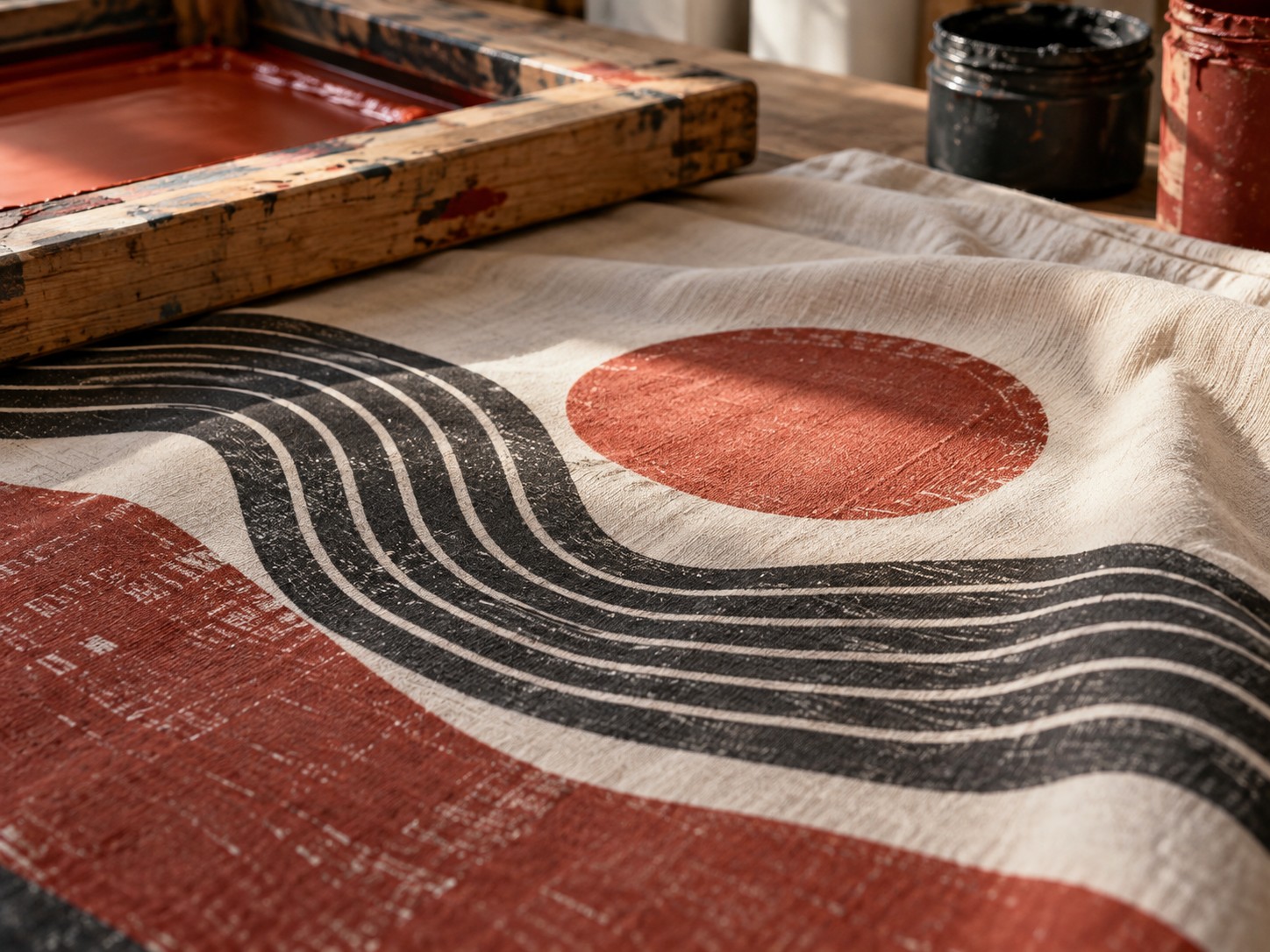
Ask your printer about their screen mesh and ink types. For detailed artwork with fine lines, you want higher mesh counts that hold detail but deposit less ink. For bold block colors on dark garments, lower mesh counts lay down a heavy layer that stays opaque. A good shop will ask you about your artwork and recommend the right approach rather than just giving you a flat price.
Artwork Preparation Is Half the Battle
I cannot stress this enough: the quality of your print starts with the file you send. Screen printing is a halftone process for anything that is not a solid color. If your logo has gradients or drop shadows, those have to be converted to halftone dots. If you send a low-resolution JPEG, the printer is going to spend hours trying to clean it up or will run it as is and the result will look fuzzy.
Vector files are ideal. An EPS, AI, or PDF with embedded fonts and outlined text gives the printer clean edges to work with. If you have a one-color design on a light shirt, a solid black and white bitmap at 300 DPI is fine. For multicolor jobs, each color should be on its own layer or separated into individual files. The more work you do upfront, the fewer rounds of proofing you will need.
Most shops will do artwork cleanup for an hourly fee. That is money well spent if you are not confident in your file. But if you send a sloppy file and ask for a rush turnaround, you are asking for mistakes.
Choosing Garments That Work
The blank garment is often an afterthought, but it affects how the print looks and lasts. A rough-textured shirt with a loose knit will not hold fine detail the way a smooth, tightly woven shirt will. Dark garments require an underbase layer of white ink, which adds cost and can stiffen the print if not done well.
I have seen companies pick a cheap blank to save two dollars per unit, then end up with prints that fade unevenly because the fabric fibers shifted during washing. A mid-range garment from a reputable brand like Bella+Canvas, Gildan Hammer, or Next Level usually gives the best balance of cost and printability. If you are ordering for a retail sale or a premium giveaway, spend the extra few dollars on ringspun cotton or a tri-blend. The print will hold better and the garment will feel nicer on the skin.
Ink Choices and Their Tradeoffs
Plastisol ink is the industry standard. It sits on top of the fabric, gives bright colors, and lasts a long time. The downside is that it feels heavier and does not breathe as well. Water-based ink soaks into the fabric, giving a soft hand feel that is popular for vintage-style prints. But water-based ink requires different screen prep, longer flash times, and is harder to get opaque on dark garments.
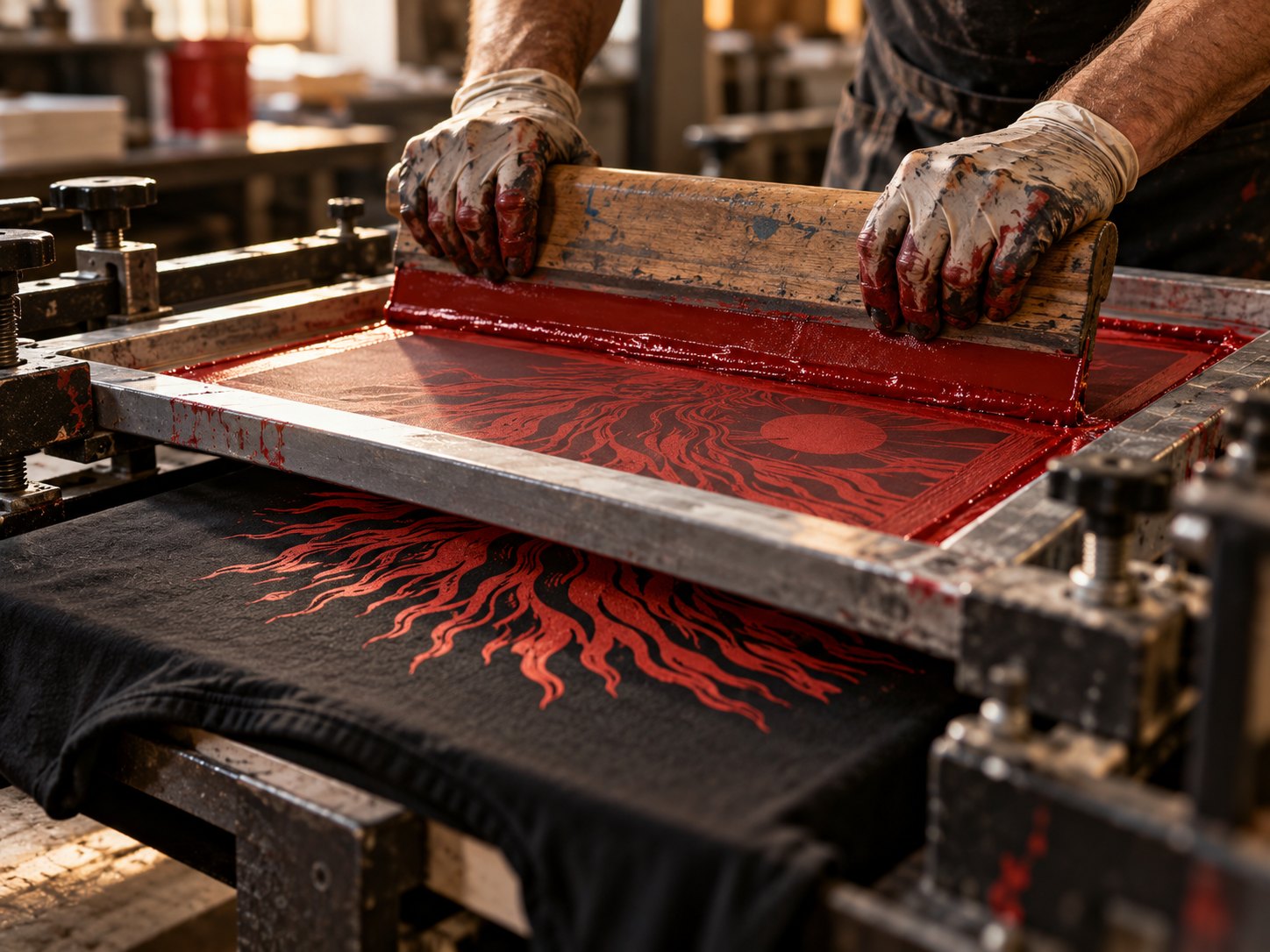
Discharge ink is another option for dark shirts. It removes the dye from the fabric and replaces it with the ink color, leaving a soft print that is essentially part of the fabric itself. Not all fabrics discharge well, and some colors cannot be discharged at all. A good printer will test a sample before committing to a full run.
If you are ordering for a sports team or a company that works outdoors, consider puff ink or reflective ink for added visibility. Just know that specialty inks often require slower press speeds and higher minimum order quantities.
Communication Saves Money
I have watched projects go sideways because the client assumed the printer would "just figure it out." Printers are not mind readers. If you want the logo three inches wide, say so. If you want the print centered exactly 1.5 inches below the collar, say that too. If you are unsure about the placement, ask for a physical sample or a digital mockup before production starts.
Most shops are happy to walk you through the process. They want the job to look good because a happy customer means repeat business and referrals. But they can only work with the information you give them. If you change your mind after screens are burned, that costs everyone time and money.
Ordering for Events vs. Inventory
If you are printing shirts for a one-time event like a charity run or a company picnic, your priorities are speed and hitting a specific date. That often means paying for rush fees and accepting whatever blanks are in stock. If you are printing for ongoing inventory, you have more flexibility. You can wait for the right garment, test multiple ink options, and order in larger quantities to bring the per-piece price down.
I have worked with shops that do both well, but they run their schedules differently. An event-focused printer might batch orders by deadline and push everything through in two weeks. An inventory-focused printer might run smaller batches more frequently and hold stock for reorders. Know which one you need before you start calling around.
For a local business ordering branded apparel for employees or giveaways, finding a printer who offers both options under one roof is ideal. That way you can do a small test run, see how the print holds up, and then scale up for a larger order without having to switch shops.
Building a Relationship With Your Printer
The best results I have seen come from repeat clients who treat their printer as a partner. They share their production schedule months in advance, they send clean artwork, and they trust the shop's recommendations on garment and ink choices. In return, the printer gives them priority on the press, faster turnaround times, and often better pricing because they are not starting from scratch every time.
Connect with us on Instagram.
If you are just getting started, place a small order first to test the quality and communication. If it goes well, stick with that shop. Switching printers costs time and introduces new variables. A shop that knows your logo, your preferred blanks, and your quality expectations will produce consistently better work than a new shop you found on a directory.
DSP Printing, located at 11611 Salinaz Dr Ste O, Garden Grove, CA 92843, USA, provides custom screen printing and embroidered apparel services for businesses and organizations. Give them a call at +1 714-951-4919 to discuss your next project.